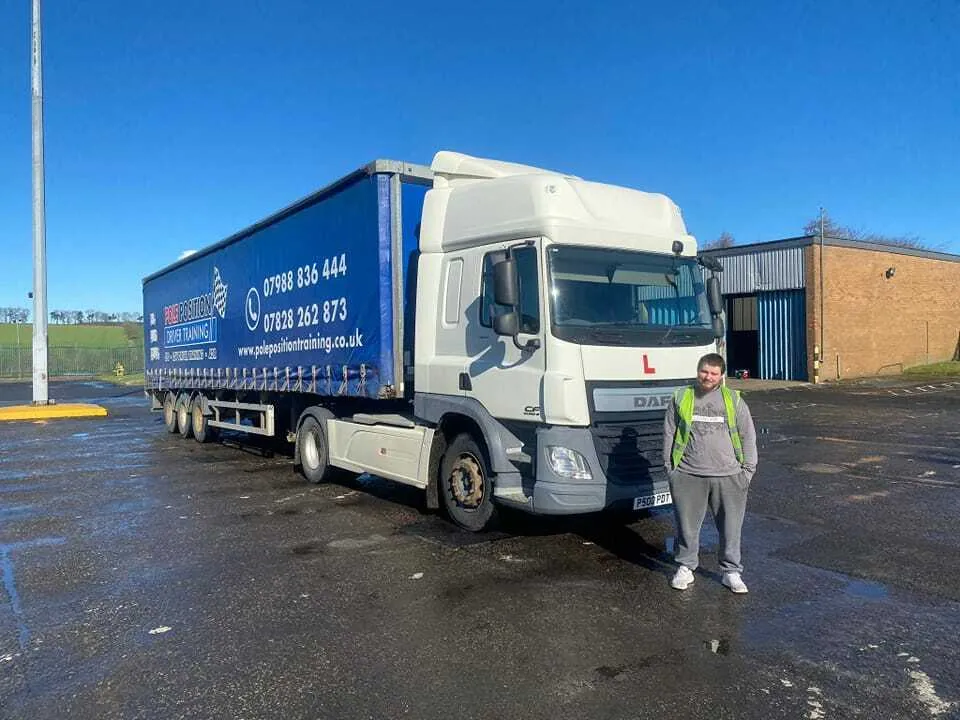
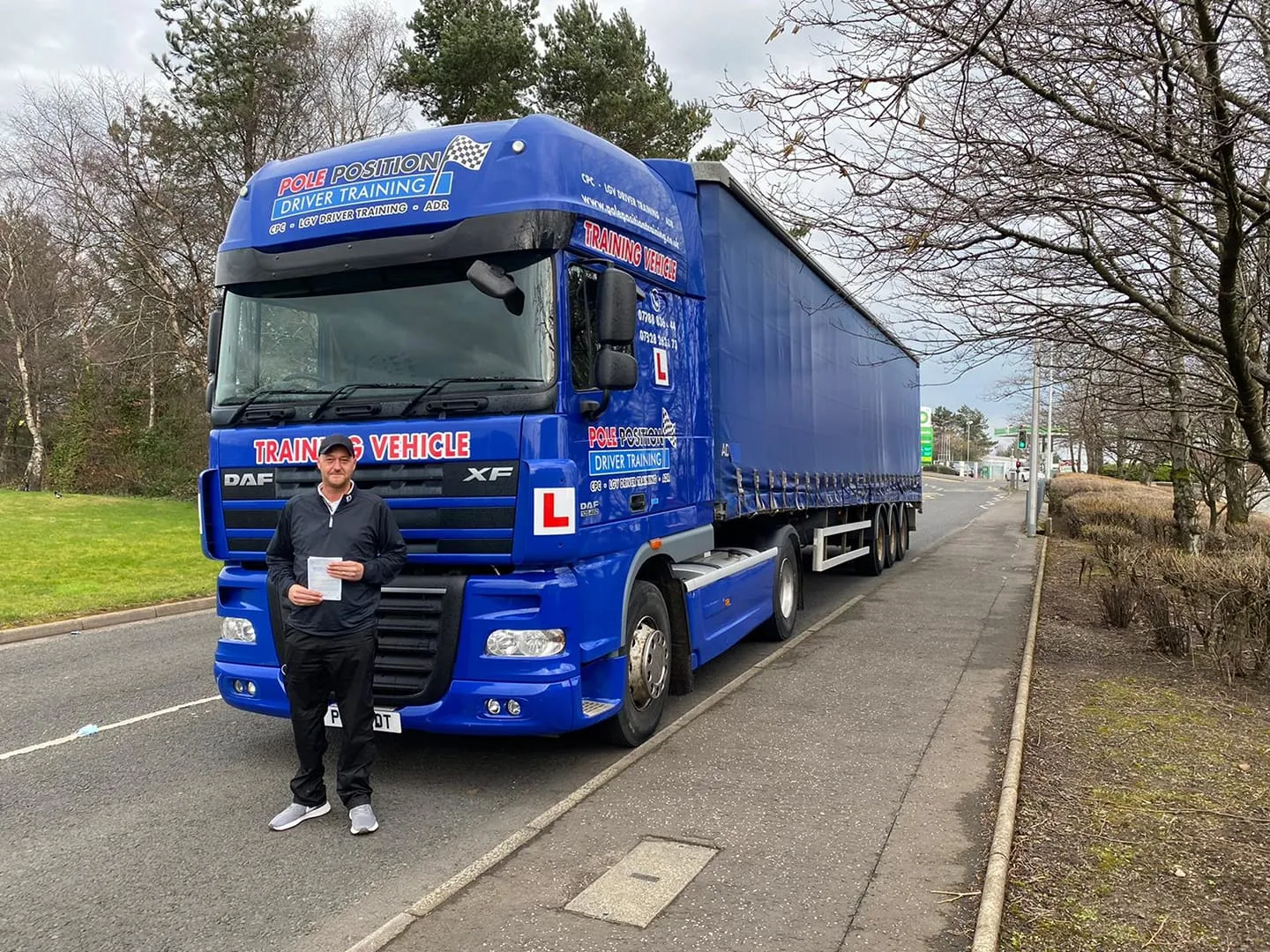
If you’re thinking of driving a heavy goods vehicle, the training involves much more than learning the technicalities of using a large steering wheel. Professional HGV training in Edinburgh helps drivers understand road regulations, safety procedures, and how heavy goods vehicles work.
Training is successful when you combine theoretical knowledge with practical driving skills. Understanding how skills and theory work together can help you become a professional HGV driver.
Why is theory and practical training important?
An HGV is larger and heavier than a standard car. As a result, the vehicle’s size and weight affect braking distances, turning circles, and road visibility. These models respond differently in different road conditions.
As a driver, you need knowledge and hands-on experience before deciding to drive an HGV on public roads. Here’s why both training and practical knowledge are important.
Building essential road knowledge
On the theory side, key topics like the importance of road signs, safe driving practices, traffic laws, and hazard awareness are covered. Learning these theories helps drivers understand what to look for on public roads in an HGV. Proper theoretical knowledge helps drivers make better, quicker decisions on the road. It gives drivers time to adjust speed and position.
Understanding vehicle-specific requirements
Theory introduces drivers to operational aspects of HGVs. With practical driving lessons, drivers gain knowledge and learn about load security, dimensions, and weight restrictions. Instead of simply knowing what to do, drivers learn during hands-on training to handle practical situations and tackle challenges accordingly.
Putting knowledge into practice
Practical training gives learners th opportunity to apply their knowledge and operate an HGV under the instructor’s guidance. The concepts taught in theory classes are put into practice during the real driving skills test.
Develop vehicle control
During hands-on practice, the drivers learn to control the vehicle and drive it smoothly on the road. They learn how to handle steering, braking, acceleration, and gear changes in different road situations. They also learn how the vehicle’s size and weight affect its movement. Manoeuvring an HGV safely is essential. Practical lessons teach the same skills. They make careful observations and learn to drive under controlled movements.
How does theory support practical performance?
Theory and practical training are not two separate stages of learning. Rather, they are interconnected. Drivers gain knowledge through theory, which they use to make prompt decisions while driving the HGV on the road. This helps them make decisions about traffic checks, measuring brake distances, and making safe turns with a heavy vehicle on the road.
Get in touch with Pole Position Driver Training. We’re an independent Driver Training Centre in Livingston, West Lothian. We provide First-Class Driver Training and qualifications for individual drivers and businesses operating in the transportation sector. Our bespoke CPC, ADR, and Driver Training Courses are designed to deliver the highest-quality training, with a recognised driver success and pass rate.